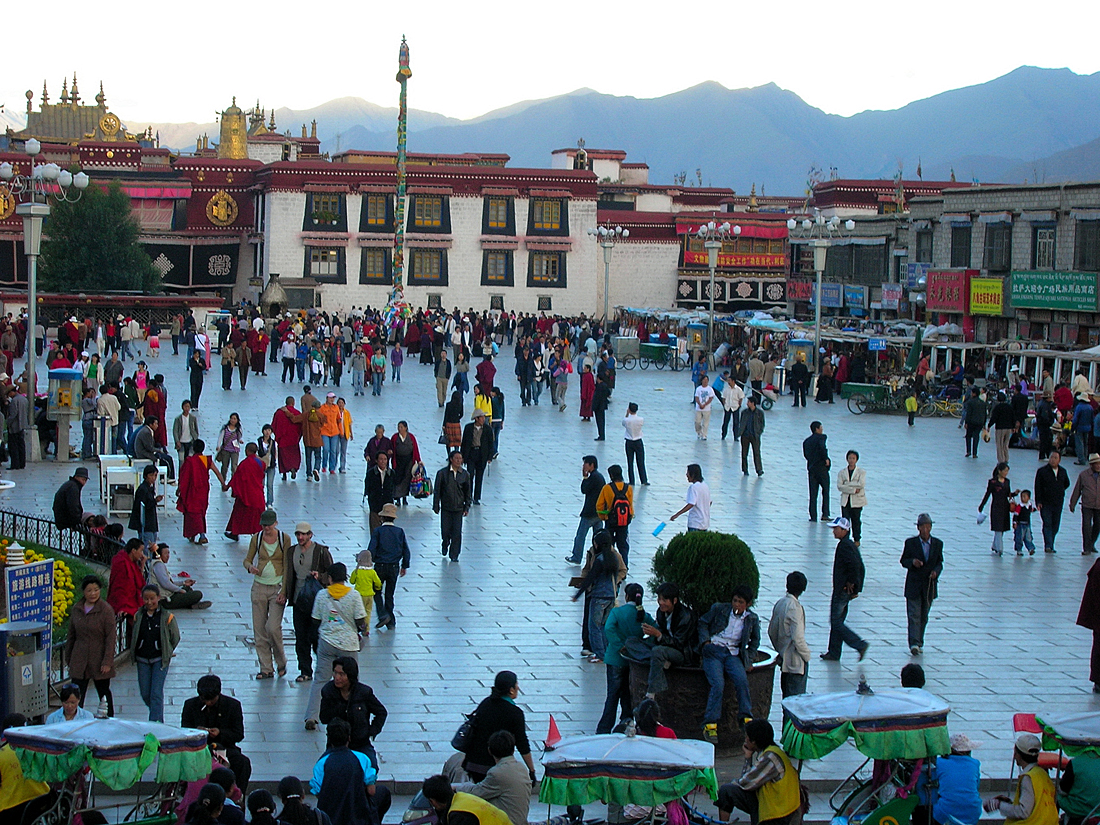

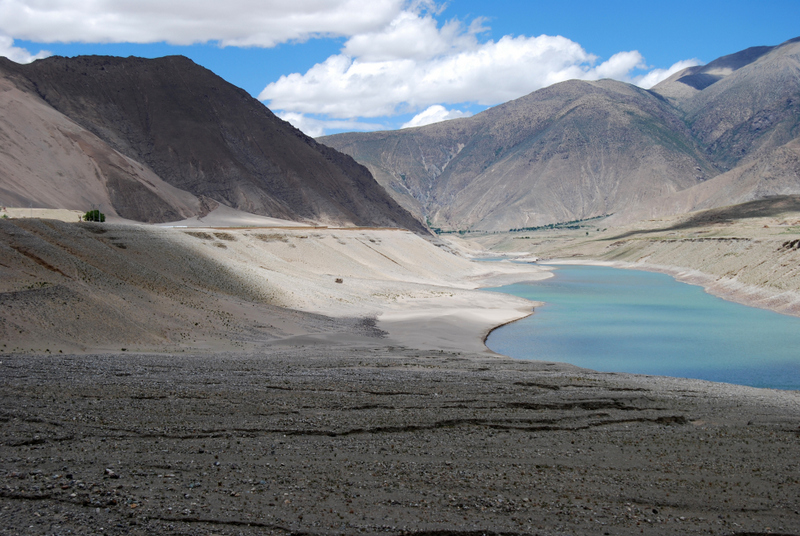
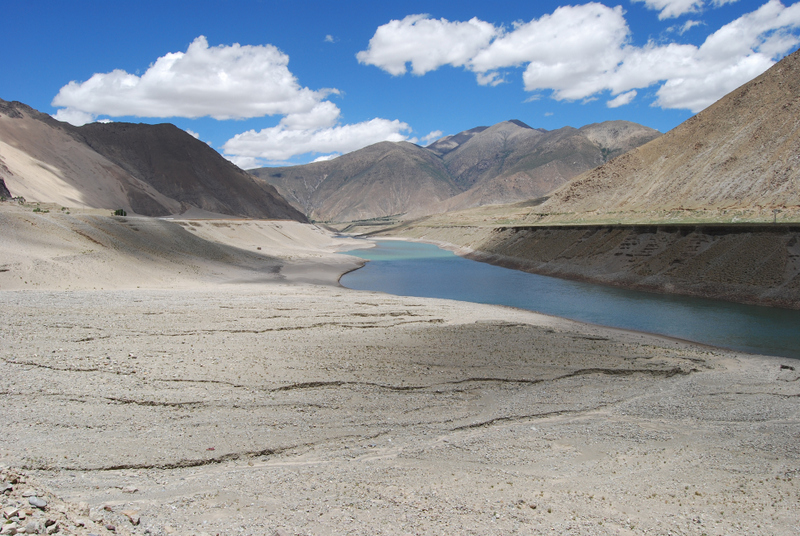
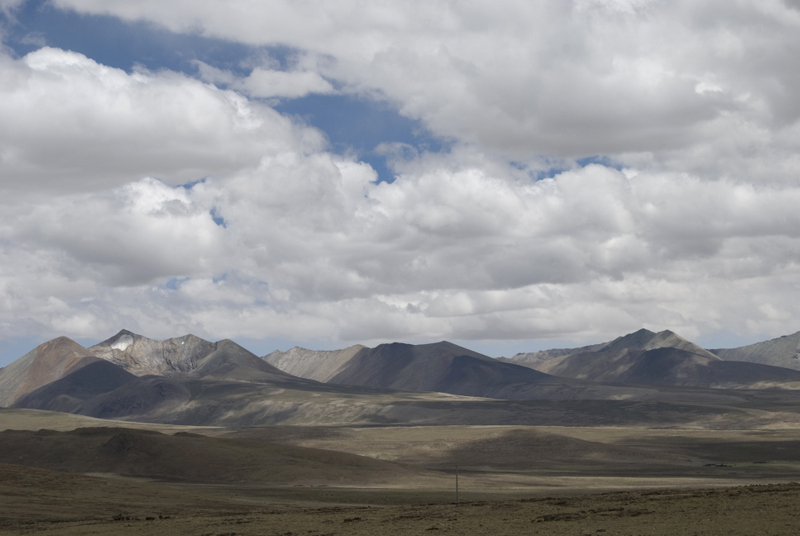
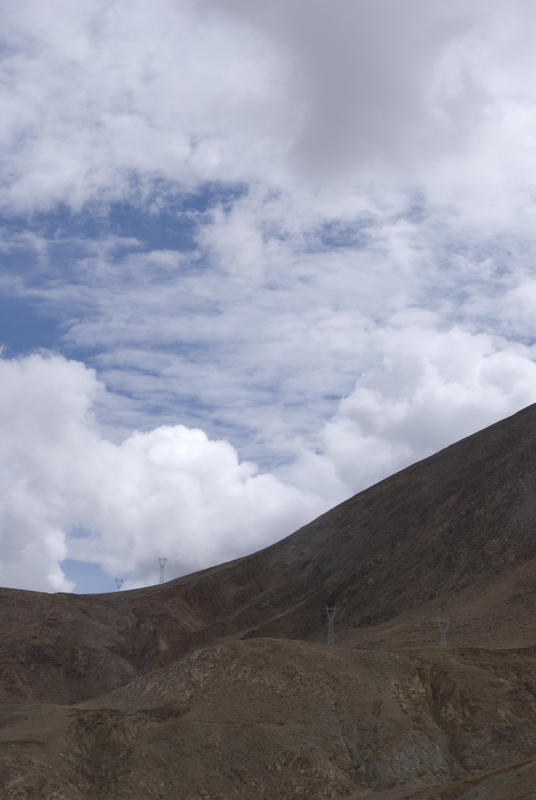
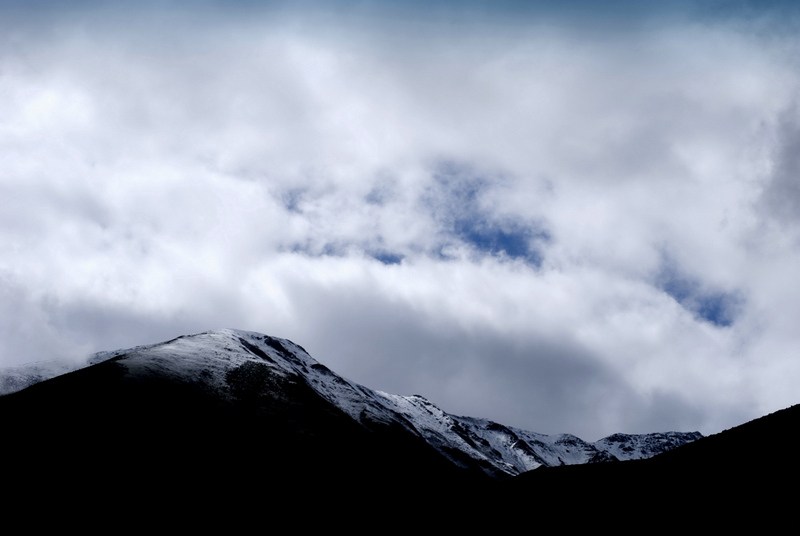
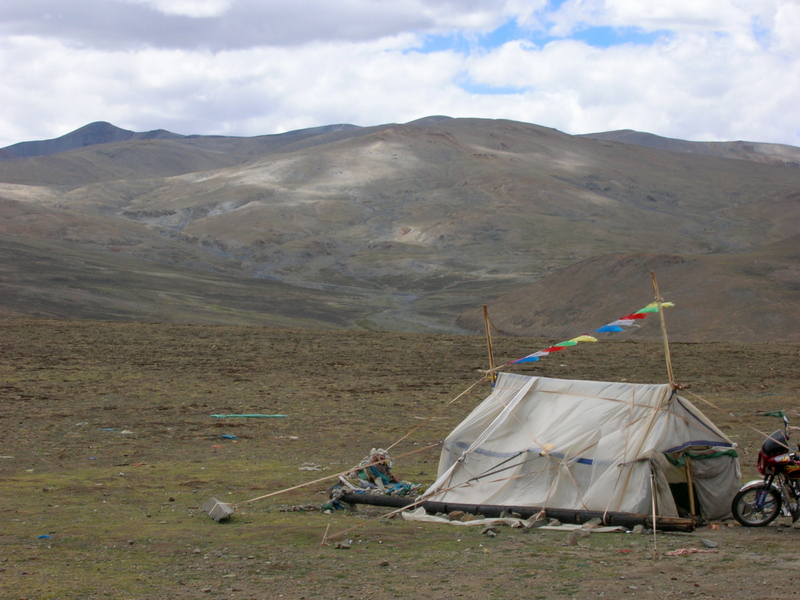
Upon landing in Lhasa, Tibet, at an elevation of over 11,000 feet above sea level, our Tibetan tour guide draped a white silk scarf (the color of compassion) around our necks. It was amazing to see the shadows of clouds cast against the surrounding mountains. As we wove our way around them, we saw wind‑torn white cloths and prayer flags draped across the slopes, showing just how deeply these majestic mountains impact the community here. Breathing the thin air, which was less than ideal for recovering from a cold, I made it to Dingri at 4,300 m (over 14,000 ft), the major gateway to Everest Base Camp. I was humbled by the beauty and way of life in this region.
Tibet’s Sweeping Vista

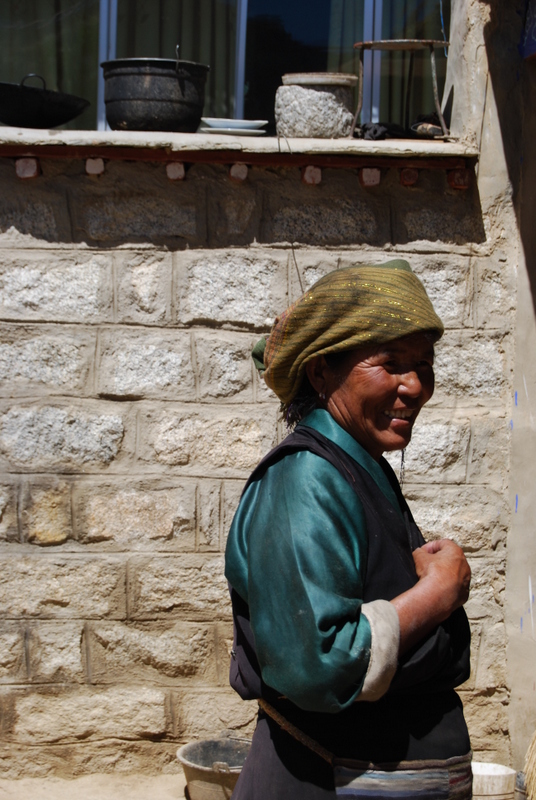
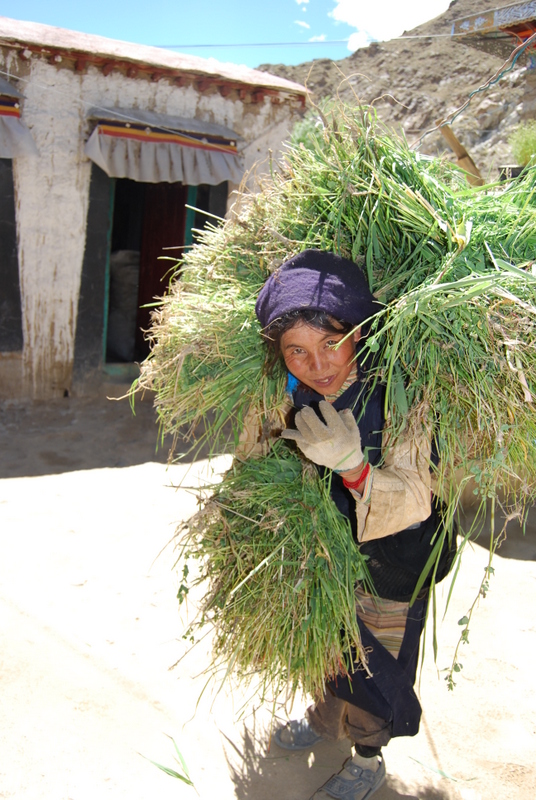
People of Tibet
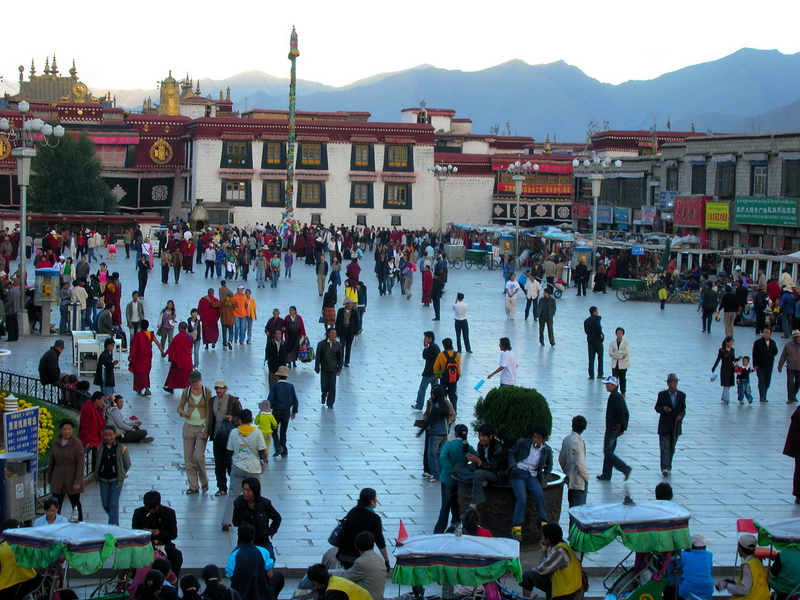
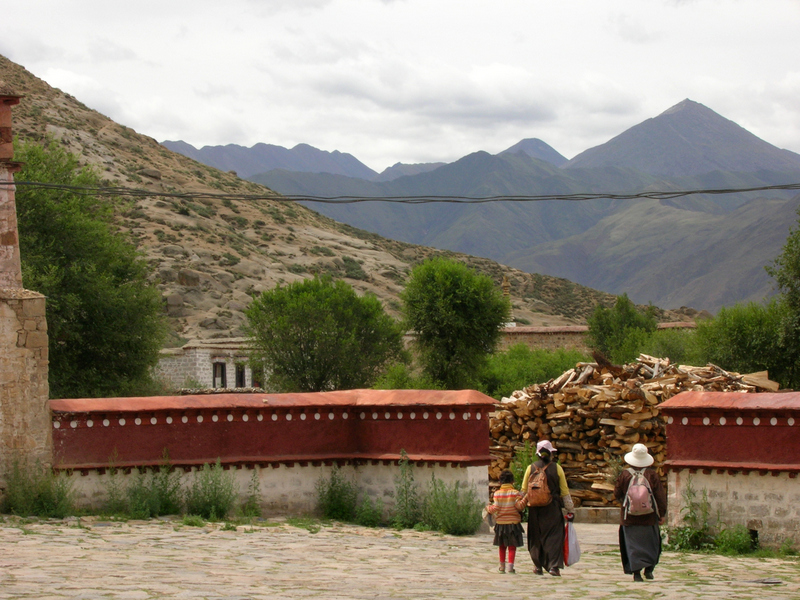
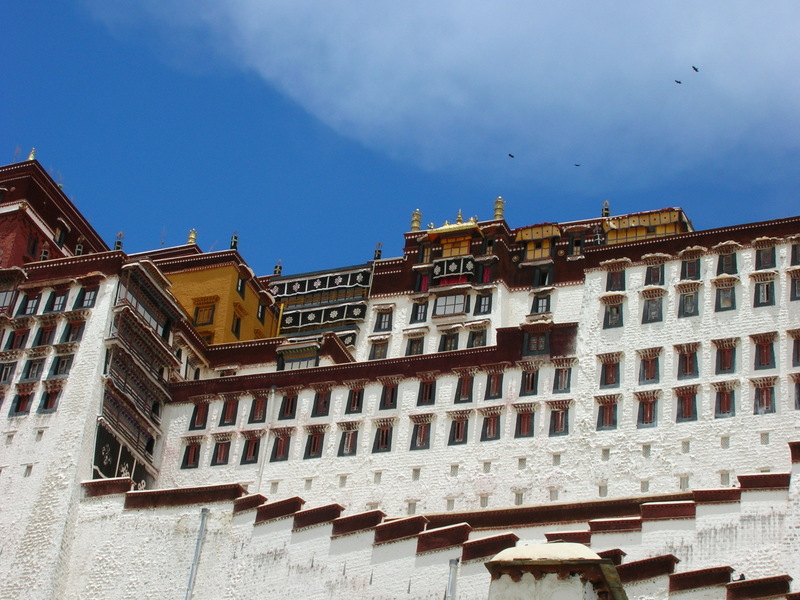
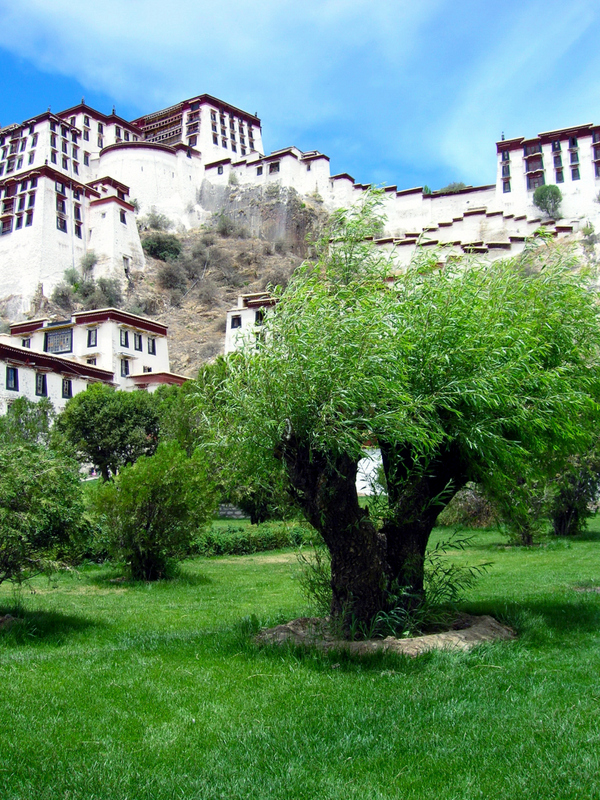
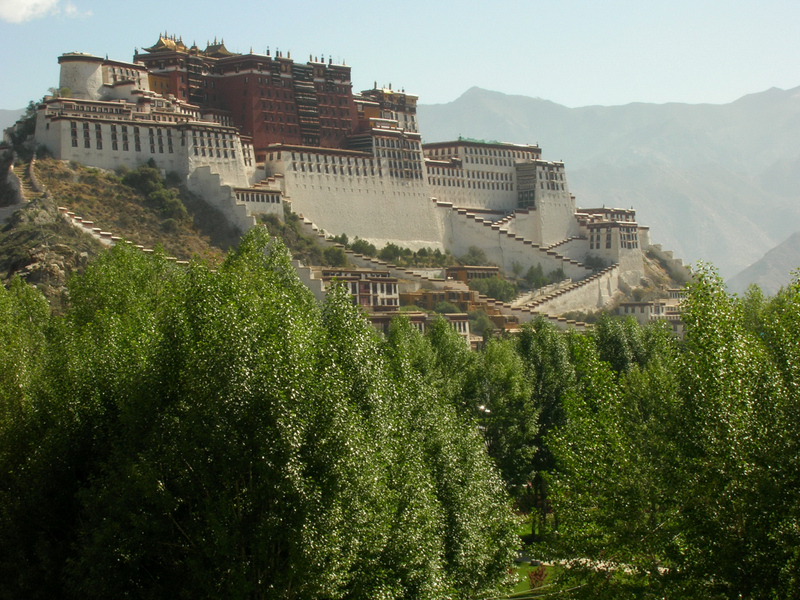
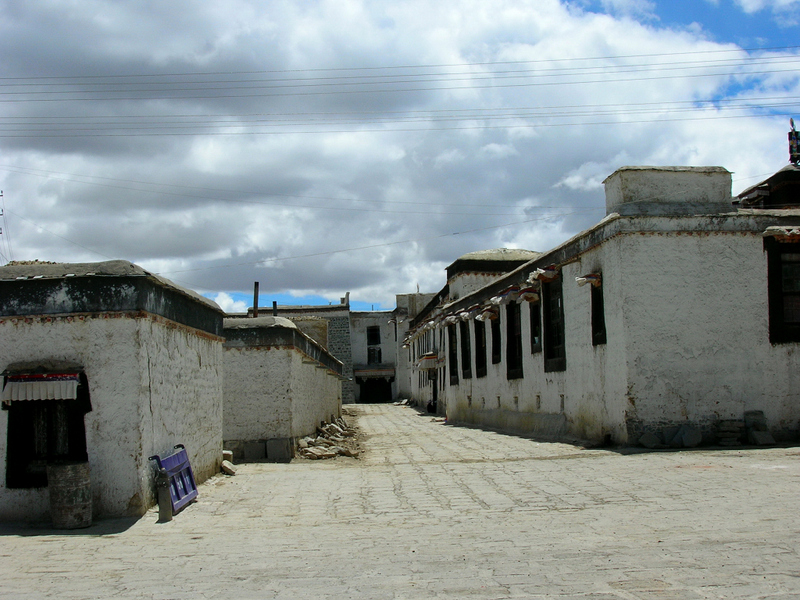
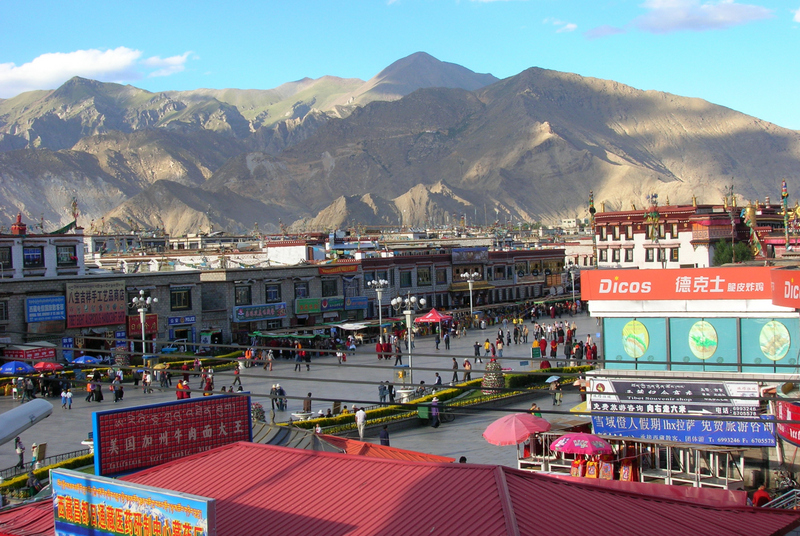
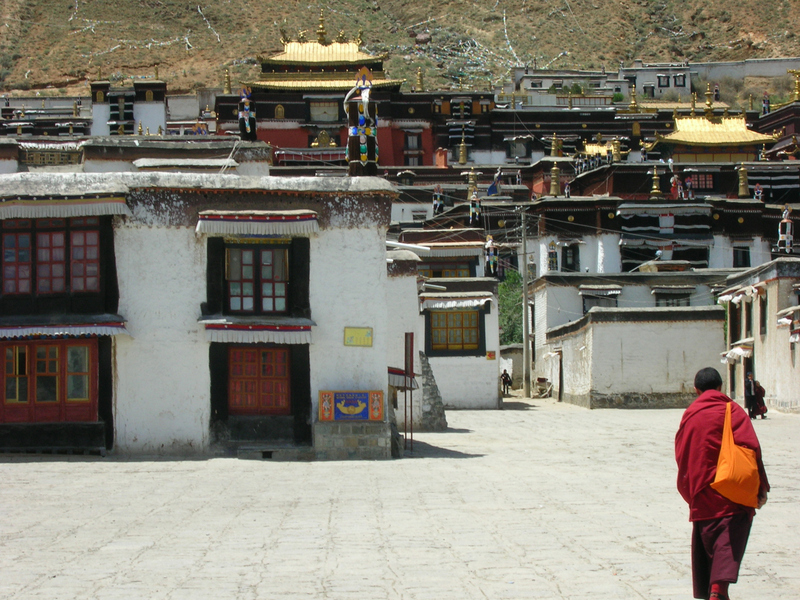
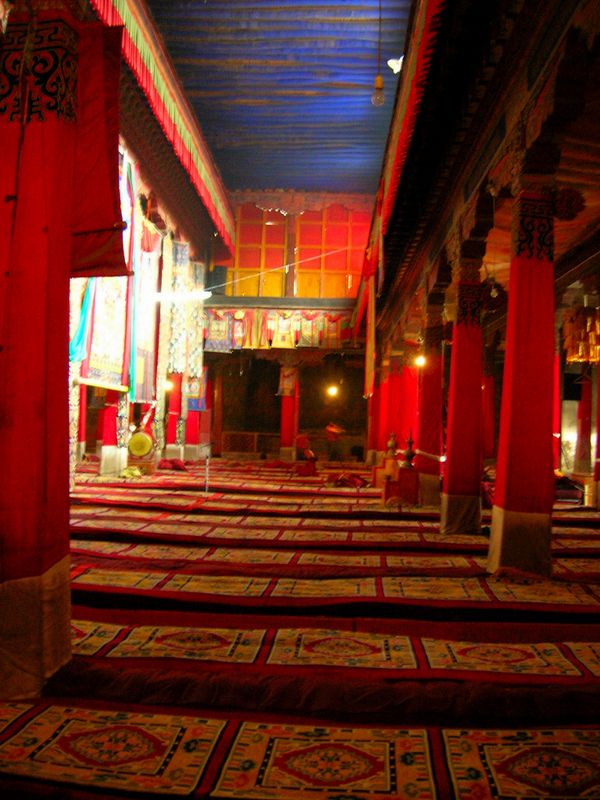
Lhasa Square was the hub of social activity and where in the evenings, crimson-robed monks emerged from Buddhist monasteries, holding hands. We visited the Jokhang Temple, a sacred pilgrimage destination for Tibetans. Other sites we visited included the Sera Monastery, Norbulingka and the Potala Palace, the former home of the Dalai Lama.
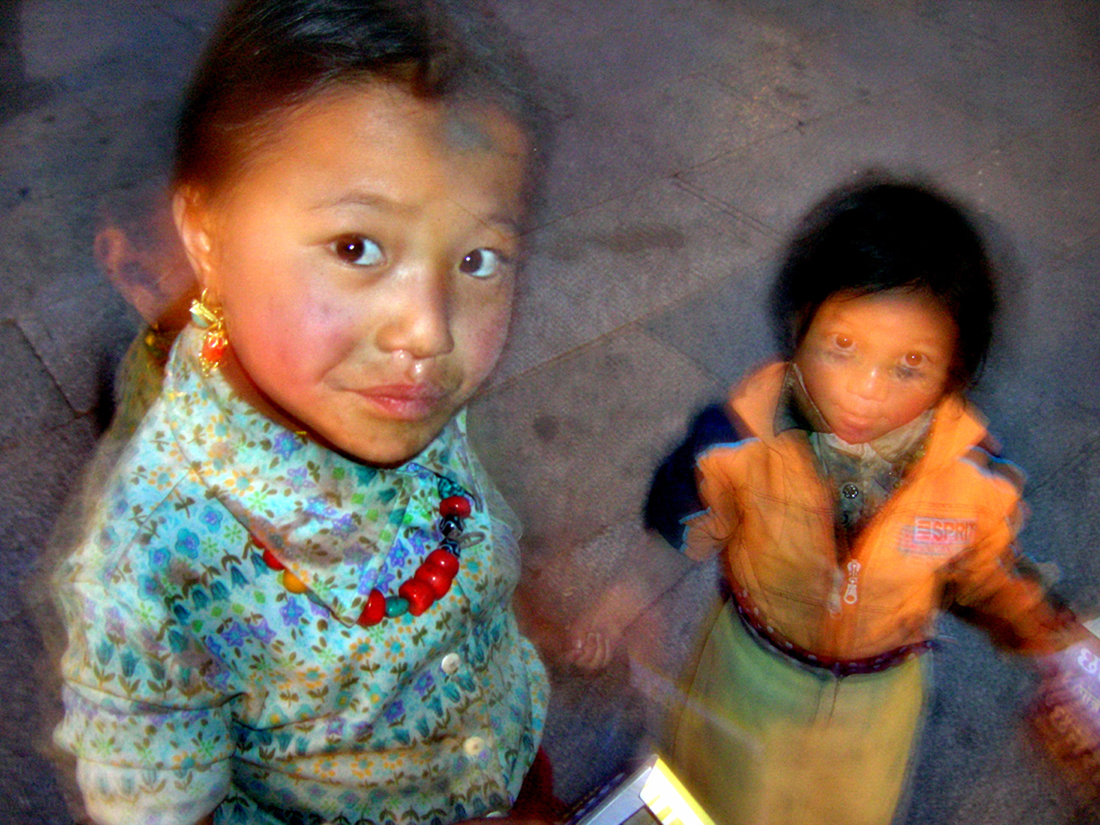
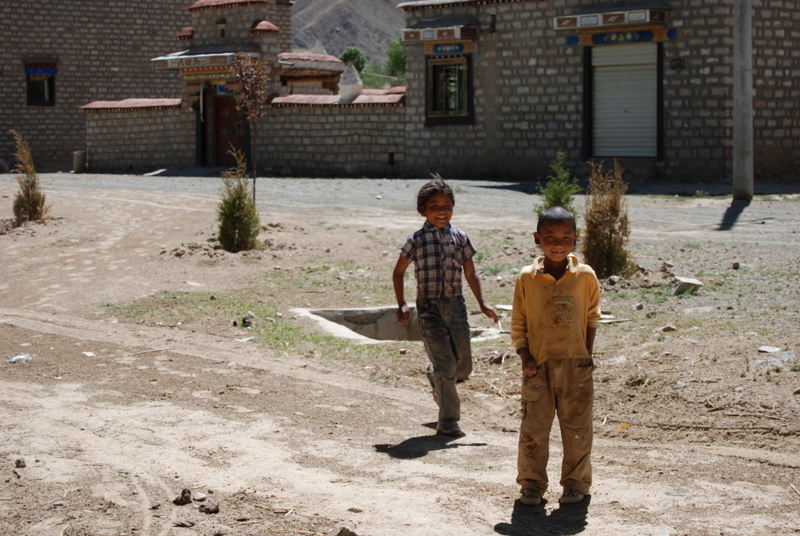
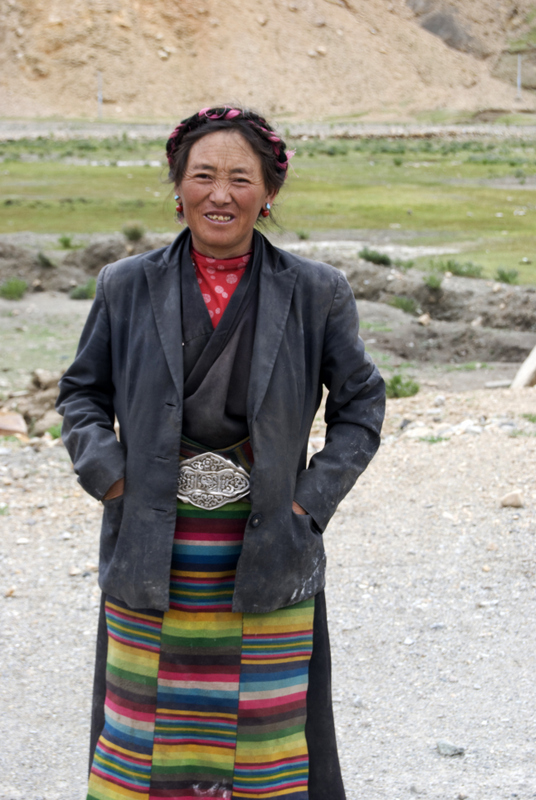
I had a delightful encounter with some children playing on Barkhar Street after midnight in Lhasa. Like the grown-ups, they seemed to be dressed in their usual attire of brightly colored clothes and jewelry. This moment was one of my favorite experiences in Tibet. Regardless of their hardships, the Tibetan people lived a colorful life devoted to their Dalai Lama.

Tibetan Architecture, Art, Industry
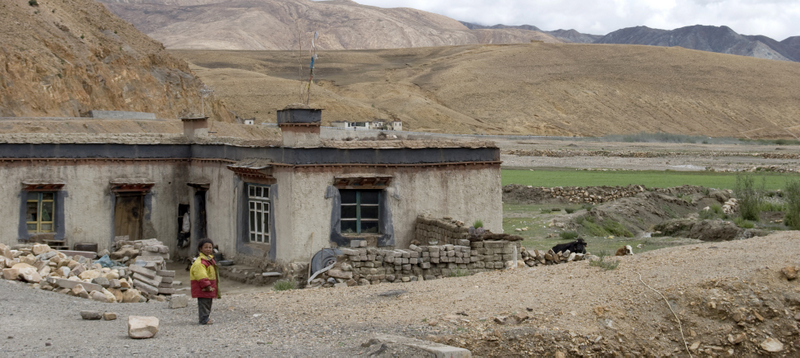
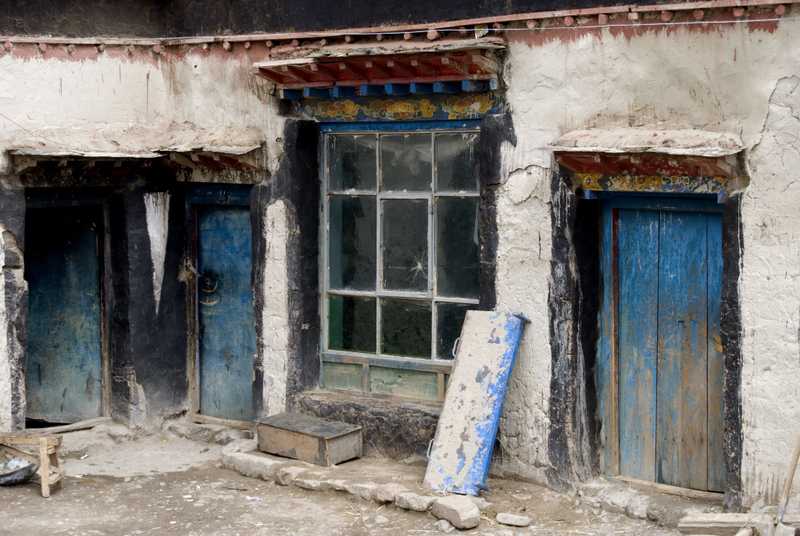
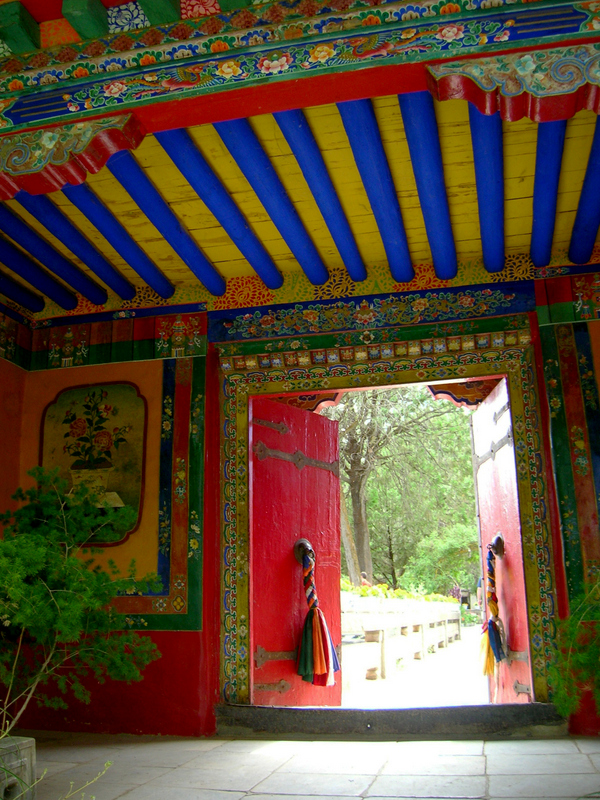
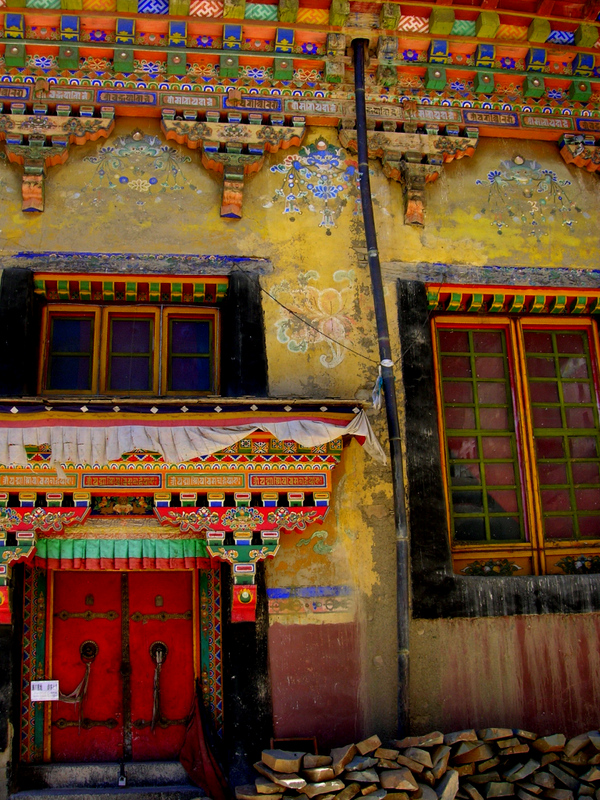
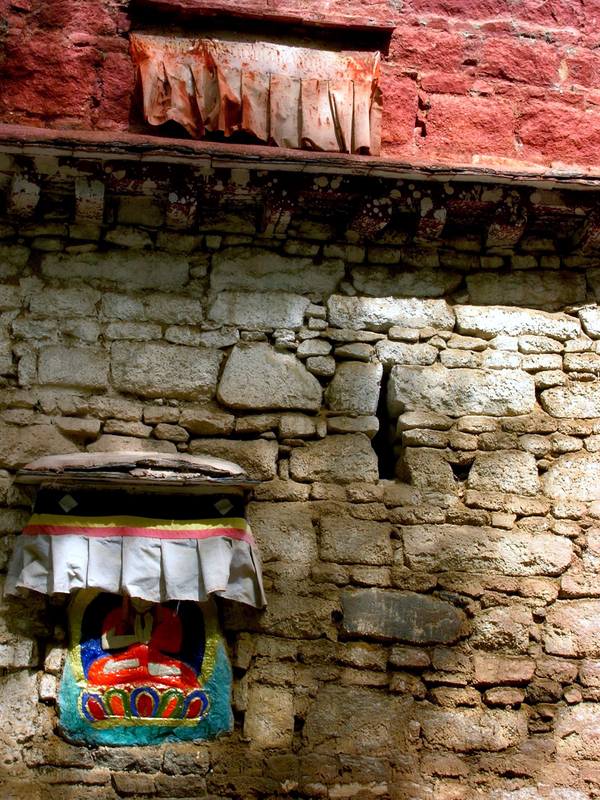
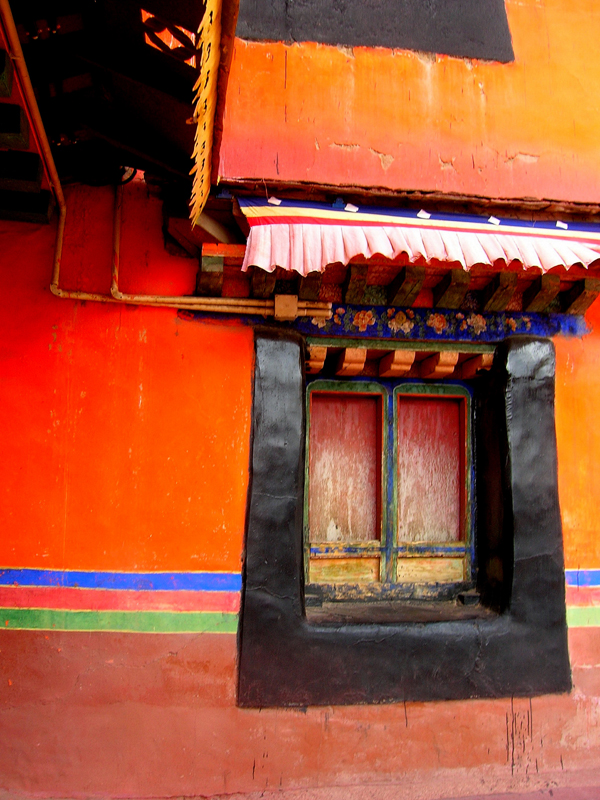
In Shigatse, Tibet, I came upon a house on the side of the road and was struck by the exterior décor and the vibrant shade of blue of the door. The bright blue stood against the dull colored farmland. Tibetans deeply revered the color blue, which symbolized elements like the sky and Akshobhya Buddha. It was also the color of the East and sometimes the South. Tibetans had a gift for applying colors to their buildings. The Potala Palace was a great example of such art.
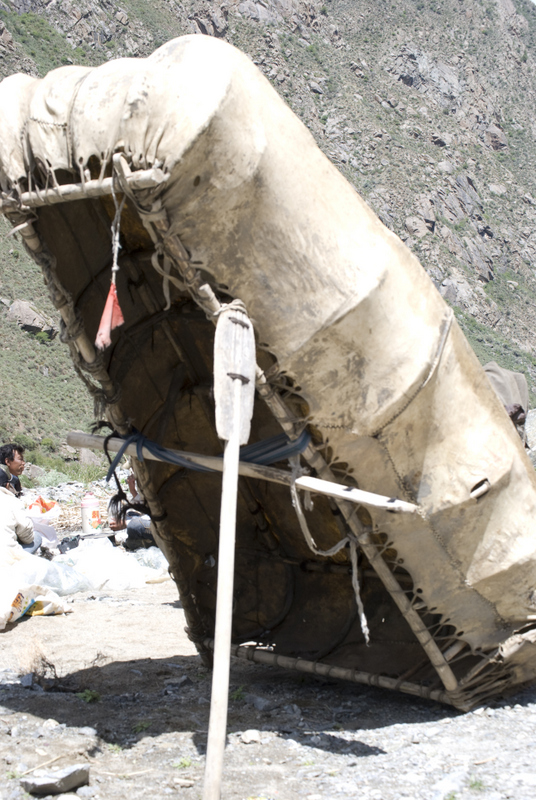
Another handcrafted item we encountered on a road trip was a canoe made of yak skin. A small fee was required before we could take photos of the canoe.
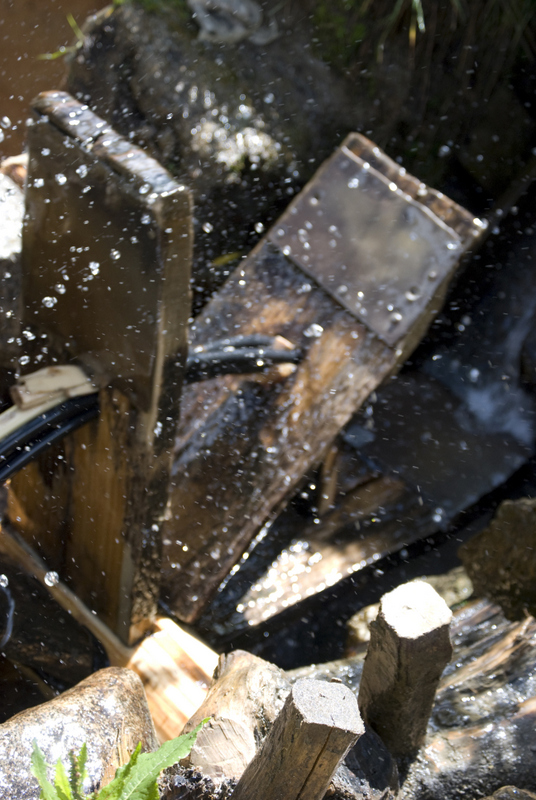
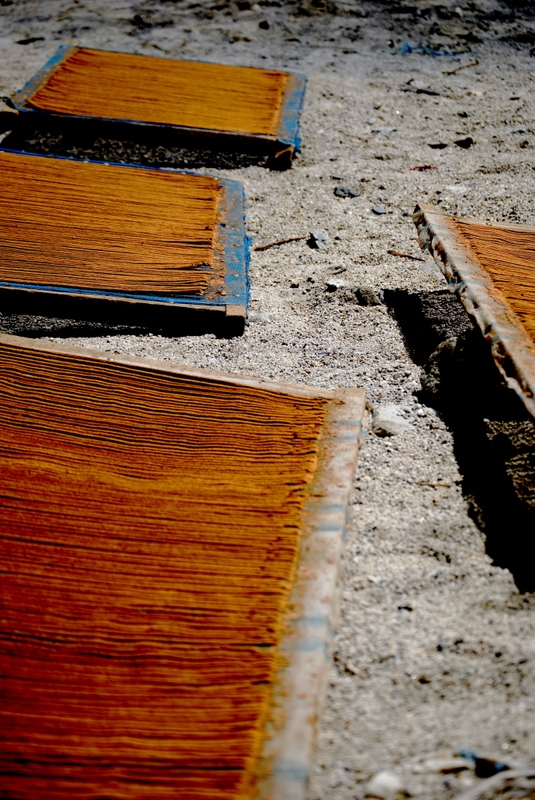
After seeing a number of monasteries, we learned about the process of incense-making at a factory, which gave us new meaning and appreciation in how we viewed incense.


Nurturing Inner Peace
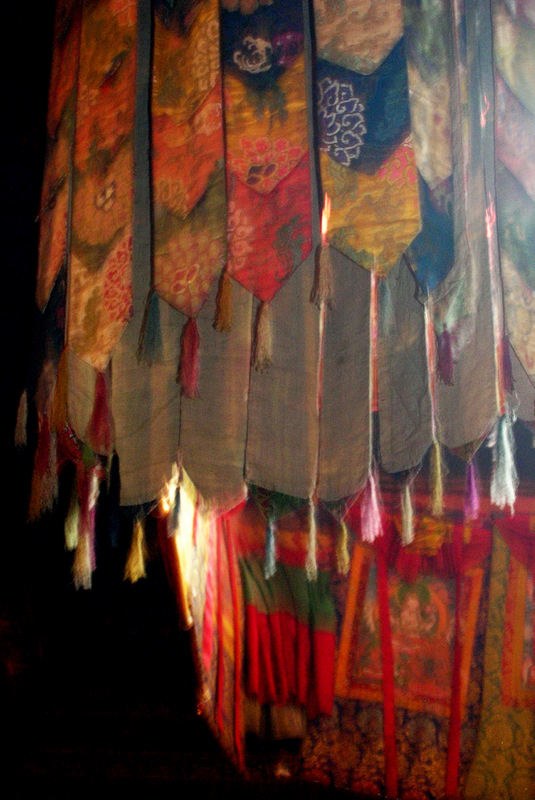
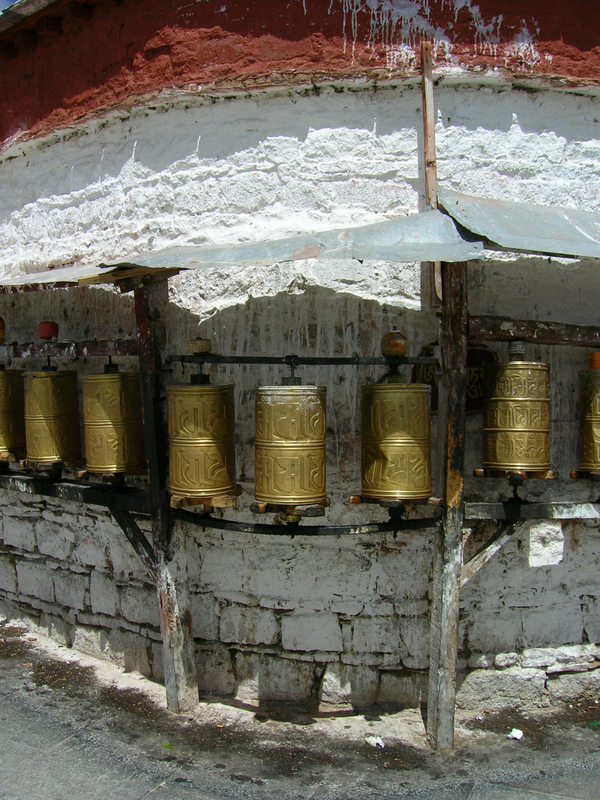
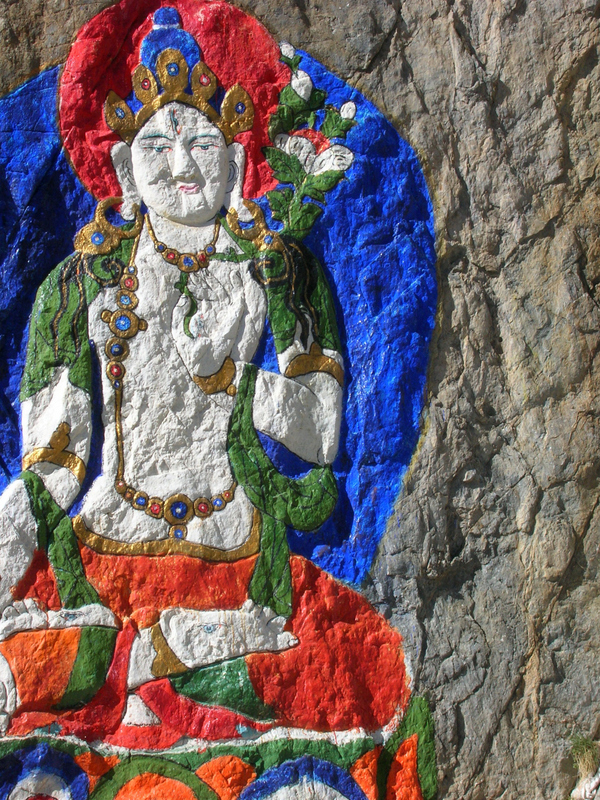
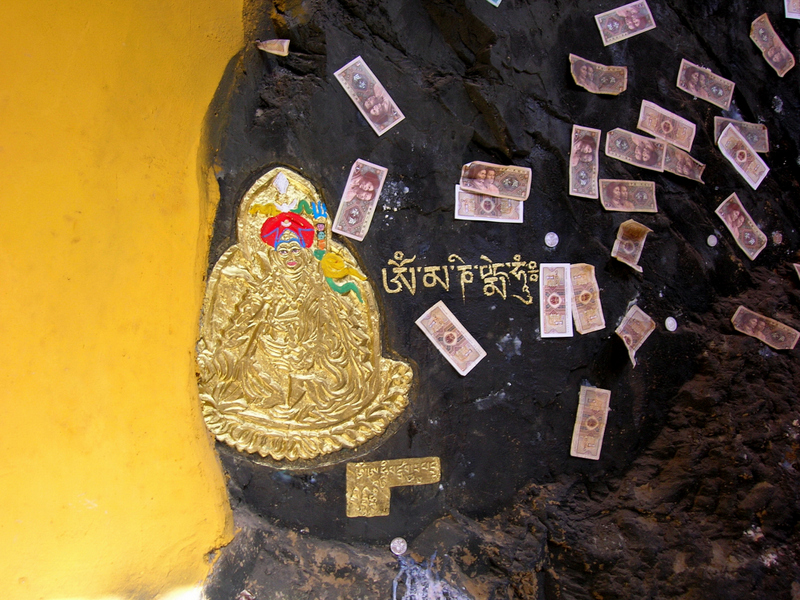
Signs of embracing spirituality were all around us.




Leave a Reply